

Exploring the world of fleet management tools tailored for logistics businesses, this article delves into the top 5 solutions that streamline operations and enhance efficiency. From real-time tracking to vehicle maintenance, these tools offer a range of features to optimize fleet management practices.
Let's dive in!
Overview of Fleet Management Tools
Fleet management tools play a crucial role in the logistics industry by helping businesses optimize their operations, increase efficiency, and reduce costs. These tools provide real-time visibility into fleet activities, allowing companies to make informed decisions and improve overall performance.
Key Features of Top Fleet Management Tools
- GPS Tracking: Most fleet management tools offer GPS tracking capabilities, allowing businesses to monitor the location of their vehicles in real-time. This feature helps optimize routing, improve driver safety, and enhance customer service.
- Vehicle Maintenance: Top tools provide maintenance scheduling and alerts to ensure that vehicles are properly serviced and in optimal condition. This helps prevent breakdowns, reduce downtime, and extend the lifespan of fleet assets.
- Driver Behavior Monitoring: Fleet management tools can track driver behavior metrics such as speeding, harsh braking, and idling. By monitoring these factors, businesses can promote safe driving practices, reduce fuel consumption, and minimize wear and tear on vehicles.
- Route Optimization: These tools offer route planning and optimization functionalities, allowing businesses to create more efficient routes, reduce mileage, and cut down on fuel costs. This helps companies save time and money while improving delivery times.
- Reporting and Analytics: Fleet management tools provide detailed reports and analytics on key performance indicators such as fuel usage, driver performance, and vehicle utilization. This data helps businesses identify areas for improvement, make data-driven decisions, and streamline operations.
Benefits of Using Fleet Management Tools in the Logistics Industry
- Cost Savings: By optimizing routes, reducing fuel consumption, and improving driver behavior, fleet management tools help businesses cut costs and increase profitability.
- Enhanced Efficiency: These tools streamline operations, automate manual tasks, and provide insights that enable businesses to operate more efficiently and effectively.
- Improved Safety: Fleet management tools promote safe driving practices, monitor driver behavior, and help prevent accidents, ensuring the safety of drivers and vehicles on the road.
- Increased Visibility: With real-time tracking and reporting capabilities, businesses gain visibility into their fleet operations, allowing them to make better decisions and respond quickly to changing conditions.
- Better Customer Service: By optimizing routes, improving delivery times, and enhancing communication with customers, fleet management tools help businesses provide superior service and meet customer expectations.
Top 5 Fleet Management Tools
When it comes to managing fleets efficiently, logistics businesses rely on a variety of fleet management tools. Here are the top 5 tools that are widely used in the industry:
1. Verizon Connect Fleet
Verizon Connect Fleet offers comprehensive fleet management solutions, including real-time tracking, route optimization, and driver behavior monitoring. It helps businesses improve efficiency, reduce fuel costs, and enhance customer service. Pricing is based on the number of vehicles and can be scaled according to business needs.
2. Geotab
Geotab provides advanced telematics solutions for fleet management, offering features such as vehicle tracking, maintenance scheduling, and driver safety monitoring. The platform is highly customizable and user-friendly, making it suitable for businesses of all sizes. Pricing varies based on the selected features and fleet size.
3. Fleet Complete
Fleet Complete offers a range of fleet management tools, including GPS tracking, asset monitoring, and predictive maintenance. The platform is known for its scalability and ease of use, making it a popular choice among logistics companies. Pricing is flexible and depends on the desired functionalities.
4. Teletrac Navman DIRECTOR
Teletrac Navman DIRECTOR is a comprehensive fleet management solution that provides real-time insights into vehicle performance, driver behavior, and compliance monitoring. The platform offers advanced reporting capabilities and customizable alerts to help businesses stay on top of their fleet operations.
Pricing is tailored to the specific needs of each business.
5. KeepTruckin
KeepTruckin is a user-friendly fleet management tool that focuses on electronic logging device (ELD) compliance, vehicle tracking, and fleet analytics. It is designed to help businesses streamline their operations, improve safety, and ensure regulatory compliance. Pricing is transparent and based on a monthly subscription model.
Real-time Tracking and Monitoring

Real-time tracking and monitoring play a crucial role in fleet management by providing up-to-the-minute information on the location and status of vehicles. This real-time visibility allows logistics businesses to make informed decisions quickly, leading to improved efficiency and cost savings.
Significance of Real-time Tracking and Monitoring
Real-time tracking and monitoring enable logistics businesses to have a constant view of their fleet operations. By knowing the exact location of vehicles, companies can optimize routes, respond promptly to any issues or delays, and ensure on-time deliveries. This level of control and oversight leads to enhanced customer satisfaction and operational effectiveness.
How Tools Provide Real-time Visibility
Fleet management tools use GPS technology and telematics systems to track vehicles in real-time. These tools offer a centralized platform where managers can monitor the movement, speed, and performance of each vehicle. Notifications and alerts can be set up for specific events, such as unauthorized stops or deviations from planned routes, allowing for immediate intervention when needed.
Examples of Real-time Tracking Benefits
Real-time tracking improves efficiency by enabling dispatchers to assign tasks based on the nearest available vehicle, reducing idle time and optimizing resource allocation. It also helps in monitoring driver behavior, such as speeding or harsh braking, leading to safer driving practices and lower maintenance costs.
Additionally, real-time tracking allows for better fuel management through route optimization, leading to reduced fuel consumption and overall operational costs.
Vehicle Maintenance and Diagnostics
Vehicle maintenance and diagnostics are crucial aspects of fleet management to ensure the smooth operation of logistics businesses. Fleet management tools play a significant role in assisting with vehicle maintenance and diagnostics by providing real-time data and insights to fleet managers.
Preventive Maintenance Features
- Fleet management tools offer preventive maintenance features that schedule regular maintenance tasks based on vehicle mileage, engine hours, or calendar time.
- These tools help in tracking and managing routine maintenance activities such as oil changes, tire rotations, and inspections to ensure that vehicles are in optimal condition.
- By adhering to preventive maintenance schedules, fleet managers can prevent unexpected breakdowns, reduce repair costs, and extend the lifespan of their vehicles.
Predictive Maintenance Benefits
- Predictive maintenance is another key feature provided by fleet management tools that use real-time data and analytics to predict when a vehicle component is likely to fail.
- By analyzing data on vehicle performance, fuel consumption, and engine diagnostics, fleet managers can anticipate maintenance needs and address issues before they lead to costly repairs or downtime.
- This proactive approach to maintenance not only reduces the risk of unexpected breakdowns but also enhances safety by ensuring that vehicles are operating efficiently and reliably on the road.
Integration and Customization
Integration and customization are crucial aspects of fleet management tools that play a significant role in enhancing overall efficiency and meeting specific business needs. Let's delve deeper into the integration capabilities and customization options provided by these tools.
Integration Capabilities
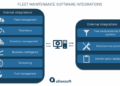
Fleet management tools offer seamless integration with other systems such as GPS, ERP, CRM, and telematics solutions. This integration enables businesses to streamline operations, improve data accuracy, and enhance communication across different departments. By integrating fleet management tools with existing systems, businesses can achieve a more holistic view of their operations and make data-driven decisions.
Customization Options
Customization options in fleet management tools allow businesses to tailor the software according to their unique requirements. From customizing reports and alerts to setting up specific workflows and permissions, customization empowers businesses to optimize the tool to meet their specific needs.
For example, businesses can customize dashboards to display key performance indicators that are relevant to their operations, improving visibility and decision-making.
Enhancing Efficiency
Integration and customization work hand in hand to enhance overall fleet management efficiency. For instance, by integrating fleet management tools with telematics systems, businesses can access real-time data on vehicle location, performance, and driver behavior. This data can then be customized to generate reports that help identify areas for improvement, optimize routes, and reduce fuel consumption.
Ultimately, integration and customization enable businesses to maximize the value of their fleet management tools and drive operational excellence.
Wrap-Up
In conclusion, the landscape of fleet management tools for logistics businesses is vast and evolving. By leveraging the capabilities of these top 5 tools, companies can improve their operational efficiency, reduce costs, and enhance overall performance. Embrace the power of technology to drive success in fleet management!
FAQ Insights
How do fleet management tools benefit logistics businesses?
Fleet management tools optimize routing, reduce fuel costs, improve safety, and enhance overall fleet efficiency for logistics businesses.
Are these tools suitable for small logistics companies?
Yes, many fleet management tools offer scalable solutions that cater to the needs of small logistics companies, providing cost-effective options for efficient fleet management.
What is the importance of real-time tracking in fleet management?
Real-time tracking allows logistics businesses to monitor their fleet's location, status, and performance instantly, enabling better decision-making, improved route optimization, and enhanced customer service.
How do fleet management tools help in preventive maintenance?
Fleet management tools schedule routine maintenance tasks based on vehicle usage and performance data, ensuring timely inspections and repairs to prevent breakdowns and prolong vehicle lifespan.
Can fleet management tools be customized for specific business needs?
Yes, fleet management tools offer customization options to tailor features and reports according to the unique requirements of logistics businesses, allowing for personalized solutions that enhance operational efficiency.
![Costco Auto Insurance Review [2025]: Additional Discounts for Members ...](https://auto.infogarut.id/wp-content/uploads/2025/11/costco-car-insurance-reviews-75x75.jpg)

![Costco Auto Insurance Review [2025]: Additional Discounts for Members ...](https://auto.infogarut.id/wp-content/uploads/2025/11/costco-car-insurance-reviews-120x86.jpg)


![13 Best Websites to Sell a Car for the Best Price [2025]](https://auto.infogarut.id/wp-content/uploads/2025/11/best-websites-to-sell-a-car-online-120x86.jpg)

![Costco Auto Insurance Review [2025]: Additional Discounts for Members ...](https://auto.infogarut.id/wp-content/uploads/2025/11/costco-car-insurance-reviews-350x250.jpg)
